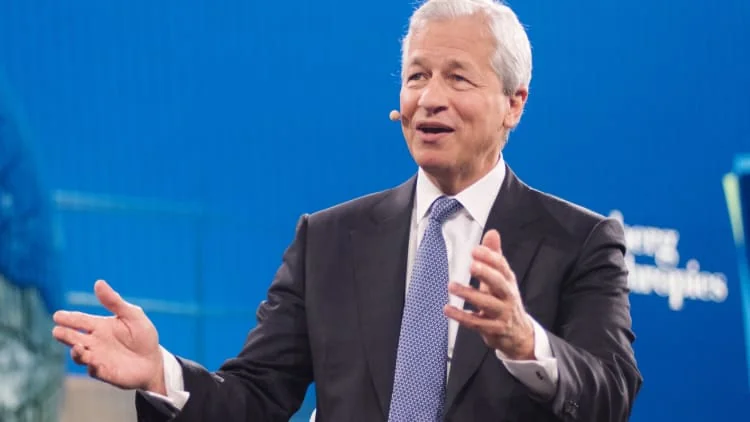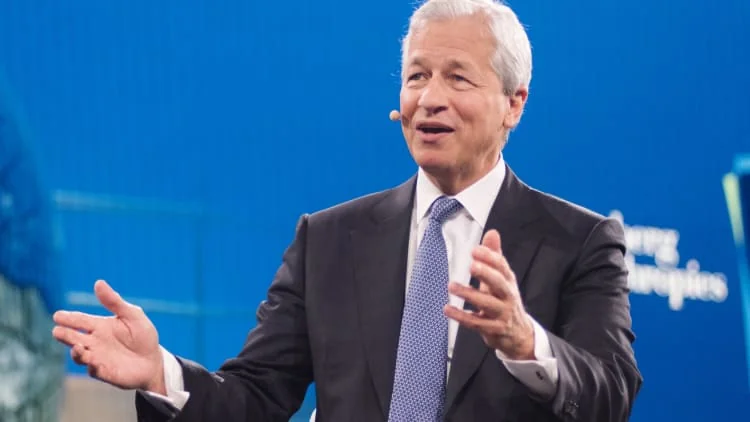
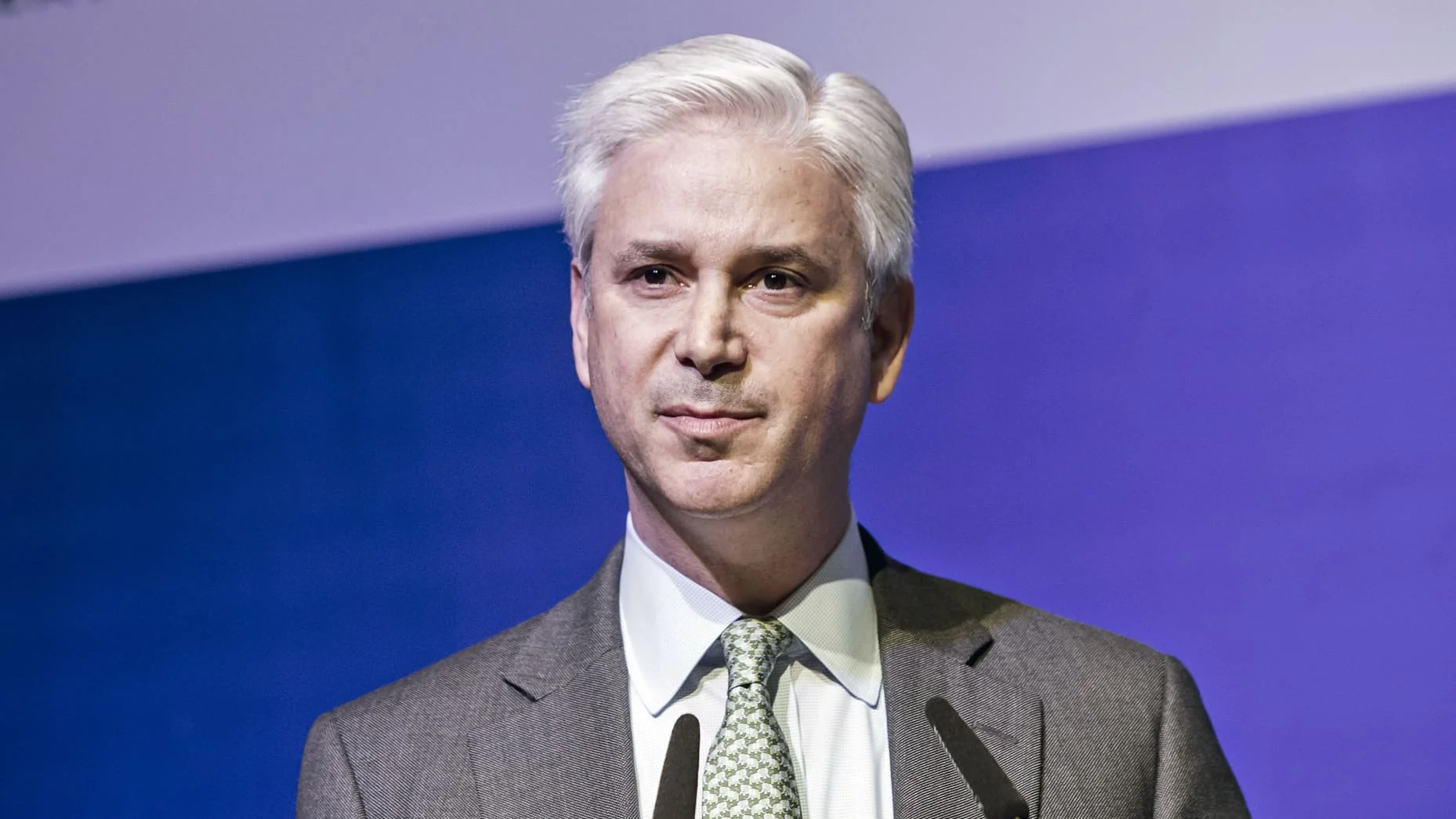
Thirty years before Charles Scharf was named CEO of Wells Fargo, he was a young man starting out, mailing his résumé to a rising banker named Jamie Dimon.
When Scharf was a senior at Johns Hopkins University, Dimon hired him at Commercial Credit Company in Baltimore. That decision would prove pivotal for Scharf: he quickly became one of Dimon’s trusted aides and, over the next 25 years, followed him through a series of institutions that helped reshape the U.S. banking landscape.
“I was 20 years younger than almost everybody else,” the 54-year-old Scharf told NYU Stern School of Business alumni magazine. “It forced me to mature faster in business.”
Now, Scharf has become the first of Dimon’s early successors to take over a direct rival to JPMorgan Chase. JPMorgan is a U.S. financial-services giant and, by market value, the world’s most valuable bank. With Dimon’s deputies going on to lead suppliers such as First Data or European banks including Barclays and Standard Chartered, JPMorgan has long been known as a CEO training ground.
Scharf himself followed that path. He left JPMorgan in 2012 to become CEO of the Visa credit-card network. By some accounts, he grew tired of the New York-to-San Francisco commute that came with the role, and in 2017 he became CEO of custodian bank BNY Mellon.
Investors welcomed the news that Wells Fargo’s six-month search had finally ended: on Friday, the bank’s shares rose 4%.
Cleaning Up a Mess
Scharf now faces the biggest challenge of his career: when he takes over Wells Fargo next month, he will be charged with rebuilding trust among customers, employees, and regulators after the bank’s fake accounts scandal forced his predecessor, Tim Sloan, and Sloan’s predecessor, John Stumpf, out of office.
Under Sloan, the bank changed management, overhauled sales practices, and launched apology-style ad campaigns, but he was criticized for moving too slowly as other violations came to light. Wells Fargo has been constrained by a rare Federal Reserve restriction that caps its asset growth, and critics including Elizabeth Warren and Representative Maxine Waters have piled on.
“To restate the obvious: we know we have a set of regulatory issues that we need to follow through on,” Scharf said on Friday during a conference call. “That is definitely a top priority, and we will make sure we do not make any mistakes on that front.”
He offered few clues about his approach, but added that, as when he joined Visa and BNY Mellon, he looks forward to meeting his team.
“In my view, the key to good business management is to step back, ask questions, and build the expertise needed to make the best decisions, whether they are business decisions or people decisions,” he said in a profile for NYU Stern School of Business.
In the end, as is often the case when a new CEO arrives, Scharf may decide to appoint his own direct reports to key roles such as chief financial officer.
Adding to the challenge, the soft-spoken executive who enjoys woodworking in his spare time will be facing off against Dimon and Bank of America’s Brian Moynihan as major U.S. banks compete for deposits. At the same time, as financial services accelerate their digital transformation and fend off tech giants, the battle for deposits is intensifying.
Dimon, once the mentor and now the rival, seemed pleased to see his former protégé enter the big leagues.
“Charlie is an excellent choice,” Dimon said in a statement. “He is highly experienced, of great character, and a first-rate leader.”