2026 Wealth Spending Driven by Luxury Experiences
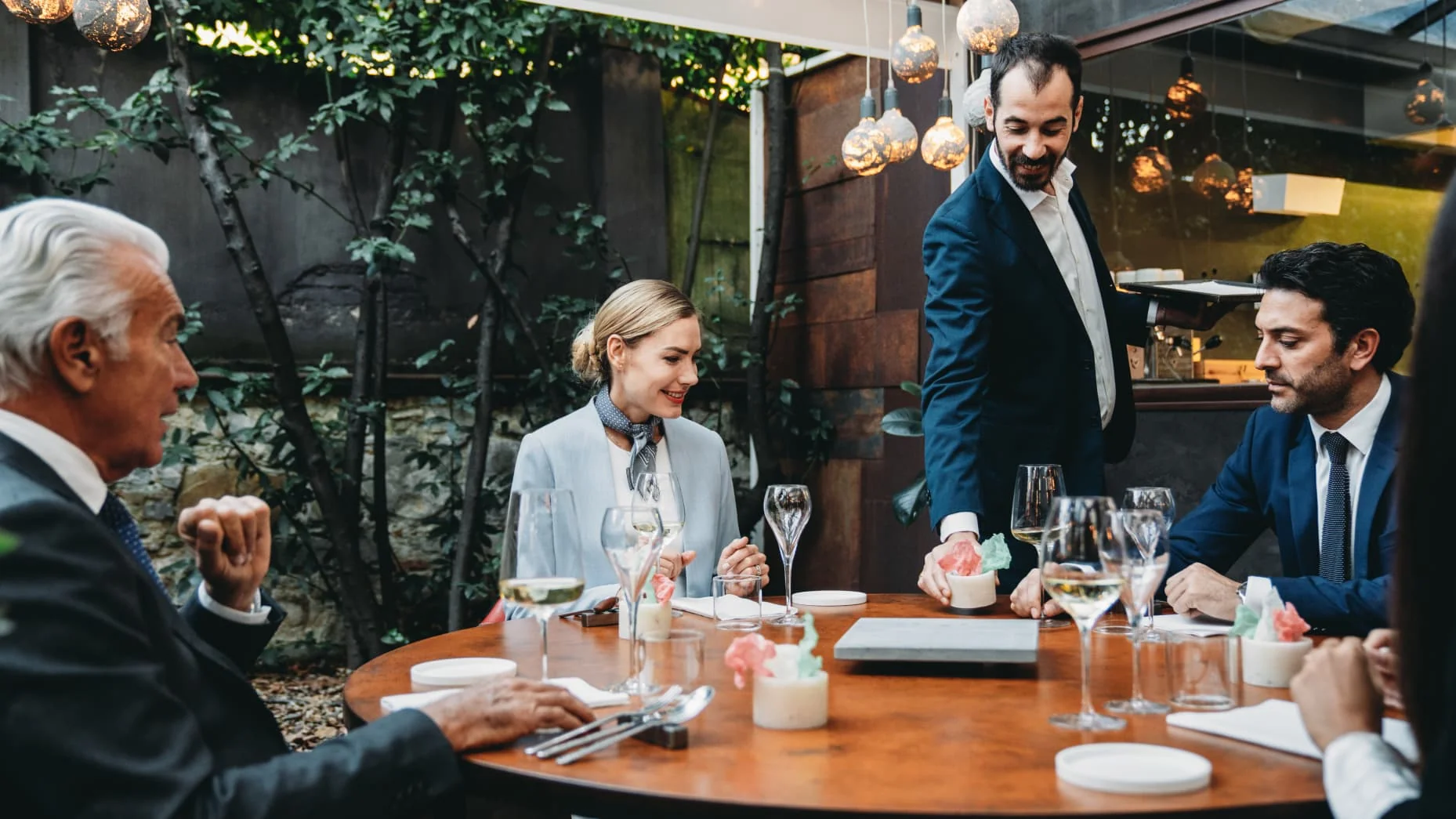
According to a new study, luxury spending is expected to recover this year, led mainly by experiences rather than luxury goods.
According to a Bain & Co. and Altagamma report, after two straight years of declines, luxury sales are expected to rise 1% to 4% in 2026. Personal luxury goods sales are forecast to reach between 365 billion and 373 billion euros ($413.6 billion to $422.7 billion) this year.
Tensions in the Middle East continue to weigh on sales. Dubai in the United Arab Emirates was once one of the world's fastest-growing luxury markets before the war with Iran, but its heavy reliance on tourism has yet to show signs of recovery. The report says luxury sales could grow this year if conditions in the Middle East stabilize and demand in China strengthens.
For the first time since 2021, the United States has become the leading country for luxury growth, according to the report. U.S. growth is largely driven by aspiration-led consumers, it said.
At the same time, the priorities and spending of wealthy consumers around the world are shifting. The report says travel, events, and dining experiences are becoming more important than buying goods that signal status. While luxury sales are expected to grow 1% to 4%, experiences are on track to rise 3% to 7% this year. Dining, leisure, and entertainment bookings are expected to grow by about 30% this year.
Resilience in Time, Access and Meaning
“What we are seeing in experiential luxury this year is resilience concentrated in categories that money cannot easily replicate: time, access and meaning,” said Claudia D'Arpizio, senior partner at Bain & Co. “Luxury is increasingly about how people live, not what they own.”
Travel to nontraditional and less-visited destinations is growing. “Immersive roaming,” a customized slow-travel experience rooted in exploration and tradition, is also gaining popularity. According to the report, travel to nontraditional locations increased by 20%.
“Heritage Tourism” and Changing Luxury Demand
The report also points to the rise of “heritage tourism”: affluent families traveling together, while Gen Z is beginning to embrace their parents' travel tastes and preferences.
Cruises are especially attracting many first-time buyers and repeat travelers. Fine dining and gourmet food are being driven by a “less is more” mindset, while the high-end art market is also returning to growth.
“Consumers are not just spending more; they are spending differently, pursuing moments that feel personal and authentic,” D'Arpizio said.